Mostrar mensagens com a etiqueta Canon AE-1. Mostrar todas as mensagens

quinta-feira, 27 de junho de 2019

Canon AE-1 Program (1981)

Canon AE-1 Program (1981)
#421
This photo is from the copy I own

History and technical features 

Five years after the original AE-1 was introduced, Canon brought out an excellent upgraded version in 1981, known as the AE-1 Program or AE-1P in short. The AE-1 Program was considered as one of the two most elegant looking A series bodies (the other was the Canon A-1 in 1977).

The AE-1 Program was certainly a worthy successor. It was packed with improved features, which were not found in its predecessor. Among the features was the Programmed AE, (first debut in the A-1) in addition to the Shutter-priority AE and manual override modes. It also has eight user interchangeable focusing screens, using the new laser matte types as well as some with extra bright laser matte technology developed for the flagship model, the New Canon F-1. It has a new, dedicated Power Winder A2 that has additional remote capability, but the camera still accepts the older Winder A and can even share the Canon A-1's Motor Drive MA for up to 4 fps burst rate for action photography.

It also accepts most of the accessories within the FD system, including Data Back A, macro accessories, A and G-type of Canon Speedlites for fully automated flash photography. All FD, New FD and FL lenses are usable with the AE-1P. Full aperture metering is only possible with the FD and New FD lenses. Stopped-down metering with the FL lenses.

As with the Canon A-1, the AE-1 Program was indeed, very popular and well received by consumers. Although there were some minor shortfalls in its design to make it a true classic, it was still a worthy camera among its class during the years of its availability, from early to the mid-80s.

Obviously, the AE-1 Program was a much easier camera to use as compared to the multi-mode Canon A-1. Although the A-1 has more features and functions to control exposure, those available on the AE-1 Program were actually improvements over what the A-1 has and it has a more simplified way in controlling exposure, which made the camera an easier model for beginners to use.

Source: mir.com.my


Specifications

Type: 35mm single-lens reflex (SLR) camera with electronically-controlled automatic exposure (AE) and focal-plane shutter.
Exposure Modes: Programmed AE, shutterspeed priority AE, AE flash photography with specified Canon electronic flash units, and manual override.
Format: 24 x 36mm.
Usable Lenses: Canon FD (for full-aperture metering) and Canon FL and non-FD (for stopped-down metering) series lenses.
Standard Lenses: FD 50mm f/1.2, FD 50mm f/1.4, FD 50mm f/1.8
Lens Mount: Canon breech-lock mount.
Dioptric Adjustment: Built-in eyepiece is adjusted to standard -1 diopter.
Focusing Screen: Standard split-image/microprism rangefinder. Seven other types of interchangeable screens are available optionally.
AE Mechanism: Electronically-controlled programmed AE and shutter-speed priority AE metering system using one IC and three LSl's with  .
Light Metering System: Through-the-lens (TTL), Center-Weighted Averaging by silicon photocell (SPC).
Meter Coupling Range: EV 1 (1sec. at f/1.4) to EV 18 (1/1000 sec. at f/16) with ISO/ASA 100 film and f/1.4 speed lens.
Exposure Memory: EV locked in when shutter button is pressed halfway and the AE lock switch is pressed once. Exposure is memorized as long as shutter button is pressed halfway.
Exposure Preview: By pressing shutter button or exposure preview switch.
Shutter: Cloth, focal-plane, 4-spindle, electronically-controlled. With shock and noise absorbers.
Mirror: Instant-return, with shock-absorber.
Film Speed Scale: ISO/ASA 12 - 3200.
Shutter Speed Selector Dial: 2 sec.- 1/ 1000 sec.. plus "PROGRAM" and "B" With guard.
Shutter Release Button: Two-step, electromagnetic shutter release button. Also serves as exposure preview switch. With lock, cable release socket, and finger rest.
Main Switch: Three positions: "A" "L," and "S." At "L" all active circuits are cut off as a safety feature. "S" position is for self-timer photography.
Self-timer: Electronically-controlled. Main switch set to"S."Activated by pressing shutter button. Ten-second delay with electronic "beep-beep" sound. Number of beeps emitted per second increases two seconds before shutter release. Cancellation possible.
Stop-down Lever: For depth-of-field preview (FD lens) or metering (non-FD lens or close-up accessories).
Power Source: One 6v alkaline-manganese (Eveready [UCAR] No. A544,IEC 4LR44) silver oxide (Eveready [UCAR] No. 544, IEC 4SR44, Duracell PX 28), or lithium (Duracell PX 28L) battery. Battery lasts about one year under normal use.
Battery Check: "Beep-beep" sound when pressing battery check button. Six or more beeps per second indicate sufficient power; three or fewer beeps per second indicate insufficient power.
Flash Synchronization: X synchronization at 1/60 sec.; M synchronization at 1/30 sec. or slower. Direct contact at accessory shoe for hot-shoe flash. PC socket (JIS-B type) with shock-preventive rim for cord-type flash. Accessory shoe has contact for normal automatic flash plus special contact for AE flash with dedicated Canon Speedlites.
Automatic Flash: Full AE flash photography with specified Canon Speedlites. Shutter speed set automatically. Aperture controlled automatically according to setting of flash when pilot lamp glows.
Back Cover: Opened with rewind knob. Removable, interchange with Databack A. With memo holder.
Film Loading: Via multi-slot take-up spool.
Film Advance Lever: Single-stroke 120° throw with 30° stand-off. Ratchet winding possible.
Frame Counter: Additive type. Automatically resets to "S" upon opening back cover. Counts backwards as film is rewound.
Film Rewind: With rewind button and crank
Other Safety Devices: Camera will not function when power level insufficient. Film winding impossible while shutter is in operation.

Source: mir.com.my


Model

Serial number 1617353


Reference sites

mir.com.my


Manual

English manual

AE-1 Program service manual


Batteries


V28 PX 6V battery

Film


Pictures taken with this machine


Videos


quinta-feira, 11 de abril de 2019

Canon AE-1 (1976-1984)

Canon AE-1 (1976-1984)
#410
Esta fotografia é do exemplar que possuo

Características

The Canon AE-1 is a 35mm film SLR camera with shutter-priority automatic exposure and manual override, produced by Canon in Japan and produced between 1976-1984.

By using a microprocessor, Canon was able to simplify the design, and by using a highly automated production process, they were able to keep costs low. The result was one of the first affordable TTL autoexposure cameras to hit the market. After its introduction in 1976, the Canon AE-1 quickly became a very popular camera worldwide. The AE-1 was replaced a few years later by the AE-1 Program.

Fonte: Camerapedia


Especificações

Lens: Canon FD 50mm f/1.4 SC
Mount: Canon FD breech-lock mount, accepts New FD (FDn) lenses also; filter thread: 52mm
This is the Standard lens, other normal lens is Canon FD 50mm f/1.4 SSC. There are many Canon lenses for the camera
Aperture: up to f/22, setting: ring and scale on the lens for manual setting
Focus range: 0.6-10m +inf
DOF pre-view: button on the right of the lens flange
Lens release: press the silver button on the lens and turn to anti-clockwise
Focusing: manual, via Canon standard split image rangefinder with microprism collar
Shutter: cloth focal plane electronic shutter travelled horizontally, speeds: 2-1/1000 +B; setting : dial on left of the top plate
Shutter release: on the top plate, w/ cable release socket, w/ lock lever, L means the shutter locked; when on A, pressing half way, the meter is readable in the finder
Cocking lever: 120° stroke (partial strokes enabled). Ready position at 30°.
Canon Winder A optional for power winding
Frame counter: counts up, auto-reset, on the top plate
Viewfinder: fixed eye-level SLR pentaprism, split-image rangefinder encircled by microprism rangefinder at center with a fresnel matte screen. Exposure meter needle, aperture scale, over-exposure warning zone, stopped-down aperture metering needle and battery check indicator, and under-exposure warning LED and Manual control (M) signal are visible
Exposure meter: center-weighted CdS meter with shutter-priority automatic exposure, full-aperture TTL metering
Film speed range: 25-3200 ASA; setting: lift the knurled ring on the winding button and then set. If the speeds dial turns when you setting the ASA, turn it to B or 1000.
Metering range: EV 1-18 at 100 ASA/ISO
Exposure setting: shutter priority auto; set to A, while pressing the AE lock button on the lens turn the aperture ring of the lens; needle pointing along a vertical f-stop scale on the right side of the viewfinder. Shutter release lock lever must be on A.
Manual: TTL stopped-down match needle manual metering
Back-light control switch: silver button, on the right of the lens flange
Exposure compensation range: +1.5 EV.
Exposure preview switch: black button, on the right of the lens flange
Re-wind lever: folding cranck, on right of the top plate
Re-wind release: small knob on the bottom plate
Flash PC socket: Flash sync 1/60, auto-switching
Hot-shoe: the dedicated flash units are Speedlites
Self-timer: release lock lever sets to S , then release the shutter, the red LED blinks when self timer working; before the shutter release, you can cancel it by pressing the battery check button
Back cover: hinged, remowable, w/ memory slot
Engraving on the bottom plate: Canon, Japan
Tripod socket: ¼"
Strap lugs
Body: metal; Weight: 798g (with standard lens)
Battery: 4LR44 6V battery or 4x LR44 1.5 V batteries
Attention: the camera is fully battery dependant
Battery chamber: on front of the camera
Battery check: black button beside the re-wind lever. If the battery is in very good condition, in the viewfinder, metering needle stays below the index near 5.6. If it stays on index, it is in low condition and over the index the battery must be replaced.
On/off switch: shutter release lock lever must be on L
The winder terminals and coupling sockets are in the bottom plate.
Serial no. on the top plate
Date code: inside the film spool compartment, eg. R 217 means the production year 1977 and month.

Fonte: Camerapedia


Modelo

A minha possui o n.º de série 3786137. lente possui o n.º de série 1548249.

É o terceiro exemplar que possuo.


Sítios de referência

Camerapedia

Canon date codes: bobatkins.com


Manual

Manual em inglês

Service and Repair Guide


Baterias
6V battery
Filme


Fotografias tiradas com esta máquina


Vídeos


domingo, 4 de novembro de 2018

Canon AE-1 (1976-1984)

Canon AE-1 (1976-1984)
#390
Esta fotografia é do exemplar que possuo

Características

The Canon AE-1 is a 35mm film SLR camera with shutter-priority automatic exposure and manual override, produced by Canon in Japan and produced between 1976-1984.

By using a microprocessor, Canon was able to simplify the design, and by using a highly automated production process, they were able to keep costs low. The result was one of the first affordable TTL autoexposure cameras to hit the market. After its introduction in 1976, the Canon AE-1 quickly became a very popular camera worldwide. The AE-1 was replaced a few years later by the AE-1 Program.

Fonte: Camerapedia


Especificações

Lens: Canon FD 50mm f/1.4 SC
Mount: Canon FD breech-lock mount, accepts New FD (FDn) lenses also; filter thread: 52mm
This is the Standard lens, other normal lens is Canon FD 50mm f/1.4 SSC. There are many Canon lenses for the camera
Aperture: up to f/22, setting: ring and scale on the lens for manual setting
Focus range: 0.6-10m +inf
DOF pre-view: button on the right of the lens flange
Lens release: press the silver button on the lens and turn to anti-clockwise
Focusing: manual, via Canon standard split image rangefinder with microprism collar
Shutter: cloth focal plane electronic shutter travelled horizontally, speeds: 2-1/1000 +B; setting : dial on left of the top plate
Shutter release: on the top plate, w/ cable release socket, w/ lock lever, L means the shutter locked; when on A, pressing half way, the meter is readable in the finder
Cocking lever: 120° stroke (partial strokes enabled). Ready position at 30°.
Canon Winder A optional for power winding
Frame counter: counts up, auto-reset, on the top plate
Viewfinder: fixed eye-level SLR pentaprism, split-image rangefinder encircled by microprism rangefinder at center with a fresnel matte screen. Exposure meter needle, aperture scale, over-exposure warning zone, stopped-down aperture metering needle and battery check indicator, and under-exposure warning LED and Manual control (M) signal are visible
Exposure meter: center-weighted CdS meter with shutter-priority automatic exposure, full-aperture TTL metering
Film speed range: 25-3200 ASA; setting: lift the knurled ring on the winding button and then set. If the speeds dial turns when you setting the ASA, turn it to B or 1000.
Metering range: EV 1-18 at 100 ASA/ISO
Exposure setting: shutter priority auto; set to A, while pressing the AE lock button on the lens turn the aperture ring of the lens; needle pointing along a vertical f-stop scale on the right side of the viewfinder. Shutter release lock lever must be on A.
Manual: TTL stopped-down match needle manual metering
Back-light control switch: silver button, on the right of the lens flange
Exposure compensation range: +1.5 EV.
Exposure preview switch: black button, on the right of the lens flange
Re-wind lever: folding cranck, on right of the top plate
Re-wind release: small knob on the bottom plate
Flash PC socket: Flash sync 1/60, auto-switching
Hot-shoe: the dedicated flash units are Speedlites
Self-timer: release lock lever sets to S , then release the shutter, the red LED blinks when self timer working; before the shutter release, you can cancel it by pressing the battery check button
Back cover: hinged, remowable, w/ memory slot
Engraving on the bottom plate: Canon, Japan
Tripod socket: ¼"
Strap lugs
Body: metal; Weight: 798g (with standard lens)
Battery: 4LR44 6V battery or 4x LR44 1.5 V batteries
Attention: the camera is fully battery dependant
Battery chamber: on front of the camera
Battery check: black button beside the re-wind lever. If the battery is in very good condition, in the viewfinder, metering needle stays below the index near 5.6. If it stays on index, it is in low condition and over the index the battery must be replaced.
On/off switch: shutter release lock lever must be on L
The winder terminals and coupling sockets are in the bottom plate.
Serial no. on the top plate
Date code: inside the film spool compartment, eg. R 217 means the production year 1977 and month.

Fonte: Camerapedia


Modelo

A minha possui o n.º de série 1886762. lente possui o n.º de série 133918.

Foi fabricada em outubro de 1978 uma vez que possui o código interno S1035. Ver Canon date codes: bobatkins.com

É o segundo exemplar que possuo.


Sítios de referência

Camerapedia

Canon date codes: bobatkins.com


Manual

Manual em inglês


Baterias
6V battery


Filme
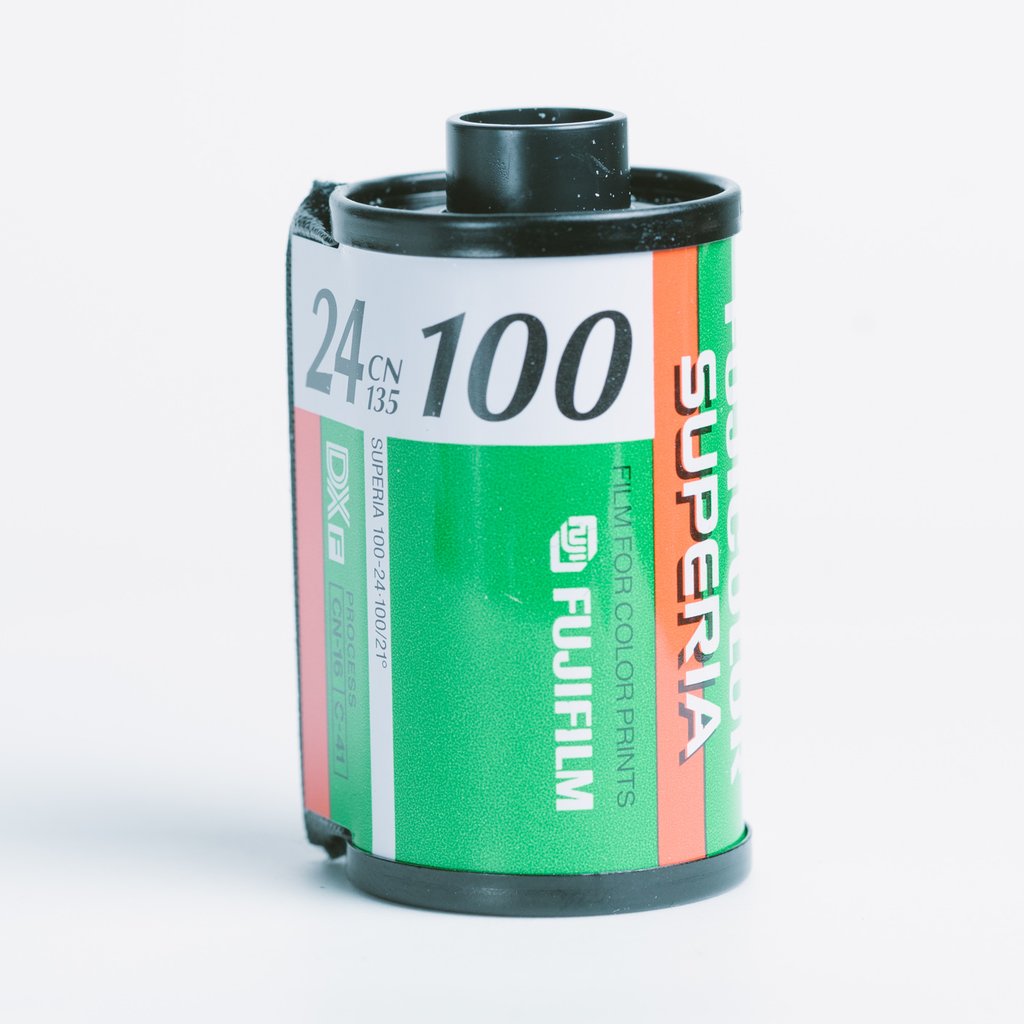
Fujifilm Fujicolor Superia 100/24


Fotografias tiradas com esta máquina

Canon AE-1 sample 1

Canon AE-1 sample 2

Canon AE-1 sample 3

Vídeos


segunda-feira, 17 de abril de 2017

Canon AE-1 (1976-1984)

Canon AE-1 (1976-1984)

#176
Esta fotografia é do exemplar que possuo

Características

The Canon AE-1 is a 35mm film SLR camera with shutter-priority automatic exposure and manual override, produced by Canon in Japan and produced between 1976-1984.

By using a microprocessor, Canon was able to simplify the design, and by using a highly automated production process, they were able to keep costs low. The result was one of the first affordable TTL autoexposure cameras to hit the market. After its introduction in 1976, the Canon AE-1 quickly became a very popular camera worldwide. The AE-1 was replaced a few years later by the AE-1 Program.

Fonte: Camerapedia


Especificações

Lens: Canon FD 50mm f/1.8 SC
Mount: Canon FD breech-lock mount, accepts New FD (FDn) lenses also; filter thread: 52mm
This is the Standard lens, other normal lens is Canon FD 50mm f/1.4 SSC. There are many Canon lenses for the camera
Aperture: up to f/22, setting: ring and scale on the lens for manual setting
Focus range: 0.6-10m +inf
DOF pre-view: button on the right of the lens flange
Lens release: press the silver button on the lens and turn to anti-clockwise
Focusing: manual, via Canon standard split image rangefinder with microprism collar
Shutter: cloth focal plane electronic shutter travelled horizontally, speeds: 2-1/1000 +B; setting : dial on left of the top plate
Shutter release: on the top plate, w/ cable release socket, w/ lock lever, L means the shutter locked; when on A, pressing half way, the meter is readable in the finder
Cocking lever: 120° stroke (partial strokes enabled). Ready position at 30°.
Canon Winder A optional for power winding
Frame counter: counts up, auto-reset, on the top plate
Viewfinder: fixed eye-level SLR pentaprism, split-image rangefinder encircled by microprism rangefinder at center with a fresnel matte screen. Exposure meter needle, aperture scale, over-exposure warning zone, stopped-down aperture metering needle and battery check indicator, and under-exposure warning LED and Manual control (M) signal are visible
Exposure meter: center-weighted CdS meter with shutter-priority automatic exposure, full-aperture TTL metering
Film speed range: 25-3200 ASA; setting: lift the knurled ring on the winding button and then set. If the speeds dial turns when you setting the ASA, turn it to B or 1000.
Metering range: EV 1-18 at 100 ASA/ISO
Exposure setting: shutter priority auto; set to A, while pressing the AE lock button on the lens turn the aperture ring of the lens; needle pointing along a vertical f-stop scale on the right side of the viewfinder. Shutter release lock lever must be on A.
Manual: TTL stopped-down match needle manual metering
Back-light control switch: silver button, on the right of the lens flange
Exposure compensation range: +1.5 EV.
Exposure preview switch: black button, on the right of the lens flange
Re-wind lever: folding cranck, on right of the top plate
Re-wind release: small knob on the bottom plate
Flash PC socket: Flash sync 1/60, auto-switching
Hot-shoe: the dedicated flash units are Speedlites
Self-timer: release lock lever sets to S , then release the shutter, the red LED blinks when self timer working; before the shutter release, you can cancel it by pressing the battery check button
Back cover: hinged, remowable, w/ memory slot
Engraving on the bottom plate: Canon, Japan
Tripod socket: ¼"
Strap lugs
Body: metal; Weight: 798g (with standard lens)
Battery: 4LR44 6V battery or 4x LR44 1.5 V batteries
Attention: the camera is fully battery dependant
Battery chamber: on front of the camera
Battery check: black button beside the re-wind lever. If the battery is in very good condition, in the viewfinder, metering needle stays below the index near 5.6. If it stays on index, it is in low condition and over the index the battery must be replaced.
On/off switch: shutter release lock lever must be on L
The winder terminals and coupling sockets are in the bottom plate.
Serial no. on the top plate
Date code: inside the film spool compartment, eg. R 217 means the production year 1977 and month.

Fonte: Camerapedia


Modelo

A minha possui o n.º de série 4773406. lente possui o n.º de série 706416.

Foi fabricada em maio de 1981 uma vez que possui o código interno V552H. Ver Canon date codes: bobatkins.com


Sítios de referência

Camerapedia

Canon date codes: bobatkins.com


Manual

Manual em inglês


Baterias
6V battery


Filme
Fujicolor C200/24


Fotografias tiradas com esta máquina

Canon AE-1 sample 1

Canon AE-1 sample 2

Vídeos